
.png)
To optimize Amazon PPC campaigns for a lower ACoS, focus on strategic keyword selection by targeting long-tail, high-intent keywords that align closely with your product to reduce wasted clicks and improve conversion rates.
Achieving a low ACoS (Advertising Cost of Sale) is essential for scaling your brand profitably on Amazon. While the entire suite of Amazon advertising services offers powerful tools, effective PPC optimisation goes beyond basic campaign setup.
Enhance ad creatives with high-quality images and compelling copy, while testing video ads in Sponsored Brands to boost click-through rates and engagement. Regularly monitor Campaign Manager to pause underperforming ads and adjust bids dynamically based on performance trends.
Finally, integrate Amazon Marketing Cloud insights to analyse customer behaviour and prioritise campaigns that drive higher profitability with minimal spend.
The 13 Factors You Need to Lower Your Amazon PPC Campaigns for a Lower ACoS
To explain things in a simpler and detailed manner, let’s delve into each factor that you need to lower your Amazon PPC campaigns for a lower ACoS.
ASIN and SKU Prioritisation
Prioritising the right ASINs (Amazon Standard Identification Numbers) and SKUs (Stock Keeping Units) is critical for optimising Amazon PPC campaigns to achieve a lower ACoS (Ad Cost of Sales) in 2025.
By focusing ad spend on high-performing or high-potential products, you can maximise conversions, reduce wasteful spending, and improve overall campaign efficiency.
Below are theoretical strategies for prioritising ASINs and SKUs in your Amazon PPC campaigns, emphasising a data-driven approach without relying on specific numerical data.
1. Focus on High-Margin and High-Demand ASINs:- Identify ASINs with strong profit margins and consistent customer demand to ensure your ad spend yields profitable returns. Prioritise products with strong sales histories or those in trending categories to capitalise on Amazon’s high-intent shopper base.
2. Leverage Listing Quality for SKU Selection:- Choose SKUs with optimised listings, including high-quality images, detailed descriptions, and A+ content, as these drive higher click-through and conversion rates. Well-optimised listings reduce ACoS by attracting relevant clicks and improving ad relevance in Amazon’s algorithm.
3. Analyse Performance Trends for ASINs:- Review historical performance to prioritise ASINs with strong organic sales or those showing early signs of traction in automatic PPC campaigns. Shift ad budgets toward these ASINs while pausing or reducing spend on low-performing SKUs to minimise inefficient costs.
4. Target New-to-Brand and Seasonal Opportunities:- Prioritize ASINs that appeal to new-to-brand customers using Amazon’s audience targeting, as these can build long-term loyalty with lower competition. For SKUs with seasonal relevance, allocate higher bids during peak periods to capture demand while maintaining cost efficiency.
5. Use AI and Attribution Tools for Smarter Prioritization:- Leverage Amazon’s AI-driven tools, like Campaign Manager and Amazon Marketing Cloud, to identify ASINs with the best conversion potential across the customer journey. Focus ad spend on SKUs that show strong attribution in multi-touch reports, ensuring you invest in products driving actual sales.
By strategically prioritising ASINs and SKUs based on profitability, listing quality, performance trends, audience appeal, and AI insights, you can optimise PPC campaigns to lower ACoS. Regularly reassess priorities through performance monitoring to adapt to market shifts and maintain cost-effective advertising.
Segmentation analysis
Segmentation analysis in Amazon PPC campaigns involves dividing your target audience into distinct groups based on their behaviours, preferences, and purchasing patterns to optimise ad performance and achieve a lower ACoS.
By leveraging Amazon’s rich first-party data, you can segment shoppers using criteria like in-market intent, lifestyle interests, or past purchase history, allowing for tailored ad creative and bidding strategies that resonate with specific customer needs.
For instance, targeting new-to-brand customers with Sponsored Brands or retargeting cart abandoners with Sponsored Display ads ensures precise ad delivery, boosting conversion rates while minimising wasted spend.
In 2025, Amazon’s AI-driven tools, such as Amazon Marketing Cloud, enable deeper segmentation by analysing five-year purchase data, helping you identify high-value cohorts and refine bids for maximum relevance.
Regularly testing segment performance through Campaign Manager and adjusting strategies based on attribution insights ensures your campaigns stay aligned with the most profitable audience groups, enhancing efficiency and reducing ACoS.
Optimising Amazon PPC campaigns for a lower ACoS requires a strategic understanding of ad types and their corresponding targeting options. Each ad type serves distinct objectives across the customer funnel, and pairing them with the right targeting method enhances relevance, boosts conversions, and minimizes wasteful spend.
| Amazon’s primary ad types | Their associated targeting types |
|---|---|
| Sponsored Products | Are designed to drive direct sales by promoting individual product listings in search results and on product detail pages. Additionally, product targeting allows you to focus on specific ASINs or categories, ideal for capturing shoppers browsing competitor listings. This ad type ensures clicks are more likely to convert, reducing ACoS when optimized with long-tail keywords and negative keyword exclusions. |
| Sponsored Brands | Focus on brand awareness, featuring customizable headlines, logos, and videos that appear prominently in search results or product pages, directing traffic to Amazon Stores or custom landing pages. They work best with keyword-based targeting to capture shoppers searching for brand-related or category-specific terms. |
| Sponsored Display | Ads are versatile, supporting retargeting and audience expansion on Amazon and third-party sites, making them suitable for all funnel stages. They leverage audience-based targeting, such as in-market shoppers, lifestyle segments, or retargeted users who viewed but didn’t purchase your products. Product targeting is also effective, allowing ads to appear on competitor product pages to capture cross-shopping traffic. |
| Amazon DSP (Demand-Side Platform) | Enables programmatic advertising across Amazon’s ecosystem and external publishers, ideal for upper-funnel awareness through display, video, and audio formats. It relies heavily on audience-based targeting, using Amazon’s first-party data to segment by purchase history, interests, or contextual signals like browsing behaviour. Contextual targeting places ads on relevant Amazon pages or third-party sites. |
| Sponsored TV | Ads, running on Prime Video, Fire TV, and Freevee, are built for brand storytelling and awareness, leveraging Amazon’s streaming audience. They use contextual targeting to align ads with specific content (e.g., sports streams like NBA games) and audience-based targeting to reach lifestyle or demographic segments. |
Dayparting for Peak Performance
Dayparting, the practice of scheduling Amazon PPC ads to run during specific times or days to maximise performance and lower ACoS, is a powerful strategy to align campaigns with peak shopper activity.
Also, Amazon’s AI-driven tools and real-time bidding enhancements make dayparting more effective by allowing advertisers to target high-conversion windows based on customer behaviour.
By analysing performance data through Campaign Manager, focus ad spend on hours or days when your audience is most active. Use Amazon Marketing Cloud to identify time-based trends in purchase patterns, enabling precise scheduling adjustments.
Regularly review attribution reports to refine dayparting schedules, ensuring your budget prioritises moments of maximum relevance and profitability while minimising wasteful spend.
Tired of High ACoS? Get a Second Opinion.
Let us prove our value. Get a detailed, no-obligation performance audit of your existing Amazon PPC campaigns today.
Get Your Free Campaign Audit 🠖Keyword expansion
Keyword expansion is the process of identifying and incorporating new, relevant keywords into your Amazon PPC campaigns to increase visibility, capture more high-intent shoppers, and lower ACoS.
Start with automatic campaigns to let Amazon’s algorithm surface broad, phrase, and exact-match keywords based on shopper search behaviour, then transition high-performing terms to manual campaigns for precise bid control. Use Amazon Brand Analytics and third-party tools like Jungle Scout to uncover long-tail keywords with lower competition and cost, ensuring higher relevance and better conversion rates.
Analyse competitor ASINs and category trends to identify related terms or emerging search patterns, particularly in seasonal or niche markets.
Regularly refine your keyword list by adding negative keywords to exclude irrelevant searches, and test expanded keywords in Sponsored Products and Sponsored Brands to balance reach and efficiency.
By continuously monitoring performance through Campaign Manager and Amazon Marketing Cloud, you can prioritise keywords that drive sales while minimising spend, optimising for a lower ACoS.
Using the Right PPC Tools for Amazon Advertising
Selecting the right PPC tools is crucial for optimising Amazon advertising campaigns, enhancing keyword expansion, and achieving a lower ACoS. Amazon’s native tools, like Campaign Manager, provide a robust starting point, offering real-time insights into metrics such as impressions, clicks, and conversions, allowing you to refine bids and monitor performance efficiently.
Amazon Brand Analytics is essential for keyword expansion, revealing high-intent search terms and shopper behaviour to guide targeting strategies. For deeper analysis,
Amazon Marketing Cloud (AMC) leverages five-year purchase data to uncover audience segments and optimise keyword selection, though it requires a $500/month subscription post-trial. Third-party tools like Jungle Scout or Helium 10 complement Amazon’s offerings by providing competitive keyword research, trend analysis, and automated bid adjustments, ideal for discovering long-tail keywords with lower CPCs.
Creative Studio, an AI-driven tool, streamlines ad creation by generating videos and headlines, boosting engagement for Sponsored Brands and Sponsored Display. By integrating these tools, you can automate bid optimisation, expand keyword sets, and track multi-touch attribution, ensuring campaigns are cost-efficient and aligned with high-conversion opportunities. Regularly evaluate tool performance and focus on those that align with your budget and goals to maintain a streamlined, effective PPC strategy.
Bidding
Bidding in Amazon PPC campaigns in 2025 is a strategic process to control ad visibility and costs while aiming for a lower ACoS. Use dynamic bidding (up/down) to let Amazon’s AI adjust bids in real-time based on conversion likelihood, optimising for high-intent shoppers. Alternatively, fixed bidding offers manual control for precise budget allocation, ideal for testing specific keywords or ASINs.
Rule-based bidding, enhanced in 2025, allows setting ROAS guardrails or event-based adjustments, such as increasing bids during peak shopping hours.
Focus on long-tail keywords to reduce CPCs and use negative keywords to avoid irrelevant clicks.
Regularly monitor bids via Campaign Manager and refine using Amazon Marketing Cloud insights to prioritise high-performing terms, ensuring cost-efficient campaigns with maximum ROI.
Avoiding keyword duplication
Avoiding keyword duplication in Amazon PPC campaigns is essential to prevent internal competition, reduce wasted spend, and lower ACoS. Review Campaign Manager to identify overlapping keywords across ad groups or campaigns, ensuring each keyword is unique to a specific campaign or ASIN.
Use negative keywords at the campaign or ad group level to block duplicate terms from triggering irrelevant ads. Leverage Amazon Brand Analytics to consolidate high-performing keywords and eliminate redundancies.
Regularly audit search term reports to spot unintended overlaps, refining targeting with exact or phrase-match keywords. Tools like Jungle Scout can streamline this process by highlighting duplicates. This approach ensures efficient budget allocation and maximises ad relevance.
Keyword removal
Keyword removal in Amazon PPC campaigns is the process of identifying and eliminating underperforming or irrelevant keywords to lower ACoS and improve campaign efficiency.
Regularly analyse performance data in Campaign Manager to spot keywords with low click-through rates (e.g., below 0.5%) or high spend without conversions. Add these as negative keywords in exact or phrase match to prevent wasted clicks, refining both automatic and manual campaigns.
Use Amazon Brand Analytics or tools like Jungle Scout to identify irrelevant search terms driving non-converting traffic. This ongoing pruning process ensures your budget focuses on high-intent, cost-effective keywords, boosting overall ROI.
Budget optimization
Budget optimisation for Amazon PPC campaigns involves allocating funds strategically to maximise ROI and lower ACoS. Distribute 70% of your budget to high-converting Sponsored Products, 20% to Sponsored Brands for awareness, and 10% to Sponsored Display or DSP for testing.
Use Campaign Manager to monitor daily spend and pause campaigns with ACoS above 35% or CTR below 0.5%. Leverage AI-driven dynamic bidding to adjust bids during high-conversion periods, and prioritise long-tail keywords for lower CPCs. Regularly analyse Amazon Marketing Cloud data to shift budgets toward top-performing ASINs and audience segments. Test small budgets ($50–$100 daily) initially, scaling winners based on ROAS above 4x.
Bidding strategy
An effective Amazon PPC bidding strategy focuses on balancing cost control and visibility to lower ACoS. Use dynamic bidding (up/down) to let Amazon’s AI adjust bids in real-time, increasing for high-conversion opportunities and reducing for low-performing ones.
Alternatively, fixed bidding suits precise control over keyword or ASIN spend, ideal for testing. Leverage rule-based bidding to set ROAS guardrails or boost bids during peak shopping hours.
Prioritise long-tail keywords for lower CPCs and monitor performance via Campaign Manager to refine bids. Also use Amazon Marketing Cloud insights to optimize for high-ROI segments, ensuring efficient budget use.
Negation
Negation in Amazon PPC campaigns involves using negative keywords to exclude irrelevant search terms, reducing wasted spend and lowering ACoS. Identify poorly performing or unrelated keywords in Campaign Manager by reviewing search term reports for low CTR (below 0.5%) or non-converting clicks.
Add these as negative keywords in exact or phrase match at the campaign or ad group level to prevent ads from showing for those terms.
Use Amazon Brand Analytics or tools like Jungle Scout to pinpoint irrelevant queries draining your budget. Regularly update negative keyword lists based on Amazon Marketing Cloud attribution insights to refine targeting. This process ensures your ads focus on high-intent shoppers, improving efficiency and ROI.
Conversion Rate (CVR) optimization
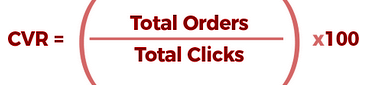
Conversion Rate (CVR) optimization in Amazon PPC campaigns focuses on increasing the percentage of clicks that result in purchases to lower ACoS. Enhance listings with high-quality images, A+ content, and clear, keyword-rich descriptions to boost shopper trust and relevance.
Use Amazon’s Creative Studio for compelling video ads to double engagement. Regularly test ad creatives and targeting via Campaign Manager to identify high-CVR segments.
Placement boost
Placement boost in Amazon PPC campaigns involves leveraging Amazon’s AI-driven placement optimization to enhance ad visibility in high-conversion locations, such as top-of-search or product detail pages, to lower ACoS.
By enabling dynamic bidding, you allow Amazon to increase bids for premium placements where clicks are more likely to convert, maximizing ROI.
Focus on high-performing ASINs and keywords, using Campaign Manager to monitor placement performance metrics like CTR and conversions. Regularly analyze Amazon Marketing Cloud data to refine bids, ensuring budget allocation prioritizes placements driving the highest sales efficiency.
Want Expert Management of All 15 Factors?
Our dedicated team specialises in strategic bidding, segmentation, and advanced tools like AMC to guarantee your lower ACoS.
Book Expert Consultation 🠖Frequently Asked Questions
How does dayparting improve campaign performance?
Dayparting schedules ads for high-traffic hours, boosting conversions and efficiency. Use Campaign Manager and event-based bidding to target peak shopping times
How do I prioritise ASINs for advertising?
Focus on high-margin ASINs with strong sales potential and optimized listings. Use Campaign Manager to shift budgets to top performers for better ROI.
What is the conversion rate (CVR) formula?
CVR is (Total Orders / Total Clicks) × 100, measuring click-to-sale efficiency.
Why use Amazon Marketing Cloud for PPC?
AMC provides five-year purchase data for audience segmentation and attribution analysis. It helps refine targeting and bidding to lower ACoS, costing $500/month post-trial.
What is segmentation analysis in Amazon Ads?
Segmentation divides audiences by behaviour or interests for targeted ads. It improves relevance and lowers ACoS using Amazon Marketing Cloud insights.
How do I avoid keyword duplication in campaigns?
Audit campaigns in Campaign Manager to remove overlapping keywords across ad groups. Use negative keywords to prevent internal competition, ensuring efficient spend.
What is placement boost, and how does it work?
Placement boost increases bids for high-visibility spots like top-of-search. It leverages AI to prioritise placements with higher conversion potential, reducing ACoS.
What is keyword expansion, and why is it important?
Keyword expansion adds relevant, high-intent terms to capture more shoppers. It boosts visibility and conversions, lowering ACoS when using tools like Amazon Brand Analytics.